

How to Find a Reliable Residential Electrician Near You
November 13, 2025
How to Vet Electrical Commercial Services Before Signing Any Contract
March 12, 2026Electrical problems don’t announce themselves with sirens and flashing lights. They start small—a warm outlet, a breaker that trips more frequently than it used to, a faint burning smell you convince yourself is nothing serious. Then they escalate, often faster than homeowners expect, turning what could have been a straightforward repair into a financial and safety catastrophe.
When “Small Problems” Start Talking
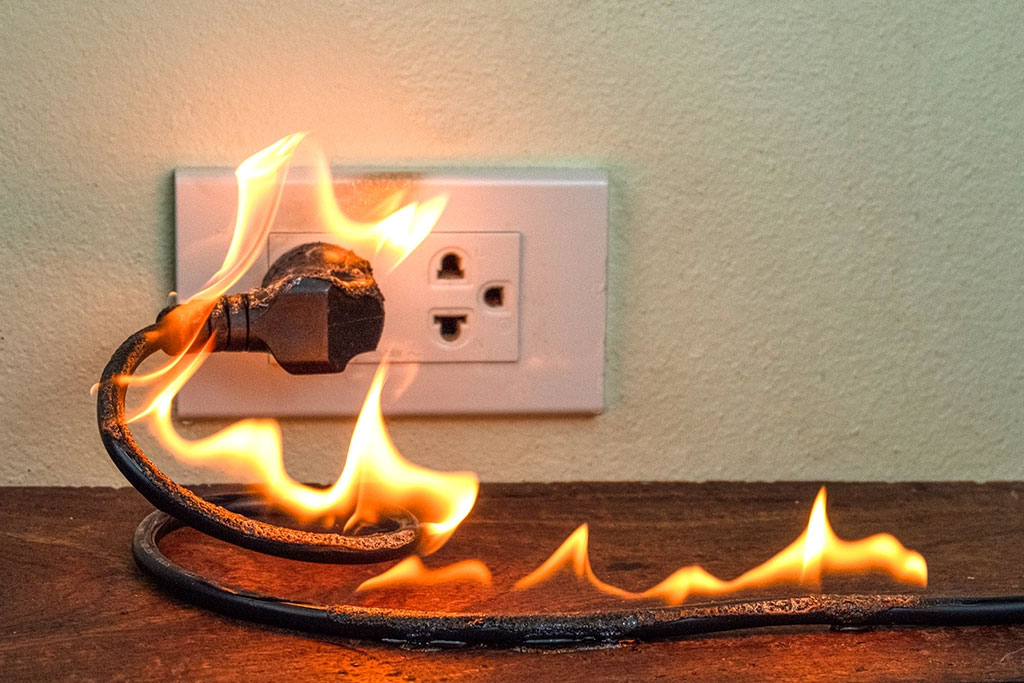
Electrical issues announce themselves in whispers before they scream. A breaker that trips once a week becomes one that trips daily. An outlet that feels warm to the touch progresses to one that chars the wall behind it. Lights that flicker during heavy appliance use evolve into a panel that can’t handle your home’s basic electrical load.
According to federal fire data, electrical malfunctions cause approximately 44,880 residential fires annually in the United States, resulting in 440 deaths and over $1.3 billion in property damage. Wire and cable insulation accounts for 31% of items first ignited in these fires. The common thread? Most of these fires could have been prevented with prompt emergency electric service when warning signs first appeared.
The progression is predictable. A loose connection generates heat. Heat degrades insulation. Degraded insulation exposes conductors. Exposed conductors arc. Arcing ignites surrounding materials. What started as a $200 service call becomes a five-figure insurance claim.
The 48-Hour Window: How Fast Electrical Problems Escalate
Electrical failures operate on their own timeline, and it’s not friendly to procrastination. Here’s what happens when you delay calling for emergency electric service:
Hour 0-12: You notice the problem—a burning smell, a warm outlet, frequent breaker trips, buzzing sounds behind walls. The issue is isolated and fixable. A licensed electrician can diagnose and repair it for $150-$400, depending on complexity.
Hour 12-24: Heat continues building in the affected circuit. Insulation begins deteriorating. If the problem involves a loose connection, arcing may start. The surrounding materials—drywall, wood framing, insulation—begin absorbing heat. The repair cost hasn’t changed yet, but the risk has doubled.
Hour 24-48: Continuous heat exposure carbonizes wire insulation, creating conductive pathways where they shouldn’t exist. Circuit breakers may fail to trip because the current hasn’t exceeded their threshold—yet. The smell intensifies. At this stage, you’re looking at potential panel replacement ($1,500-$4,000) if the problem has affected multiple circuits.
Beyond 48 Hours: You’re in hazard territory. Carbonized insulation creates short circuits. Arcing becomes persistent. Surrounding combustible materials reach their ignition temperature. Once a fire starts behind your walls, you’re looking at $20,000-$50,000 in structural repairs, not counting contents loss, temporary housing, and insurance deductibles.
This isn’t theoretical. Fire investigators trace electrical fires back to warning signs that homeowners noticed days or weeks before the fire. The “I’ll call someone next week” mindset has a price tag measured in tens of thousands of dollars.
The Real Numbers: What Delayed Emergency Electric Service Actually Costs
Let’s break down the math that electrical contractors see every month:
Scenario 1: You Call Immediately
- Emergency service call: $150-$300
- Outlet replacement or circuit repair: $100-$200
- Total time: 1-2 hours
- Total cost: $250-$500
- Downtime: Minimal—specific circuit out for under two hours
Scenario 2: You Wait One Week
- Same repair, but now the damaged wire has affected adjacent circuits
- Circuit repairs: $200-$400
- Wire replacement in wall: $400-$800
- Drywall repair/painting: $300-$600
- Total time: 4-6 hours
- Total cost: $900-$1,800
- Downtime: Half-day power interruption to affected rooms
Scenario 3: You Wait Until Failure
- Fire damage to bedroom: $15,000-$30,000
- Smoke damage throughout home: $5,000-$15,000
- Complete panel replacement: $2,000-$4,000
- Updated code compliance wiring: $3,000-$8,000
- Temporary housing (3-6 weeks): $3,000-$8,000
- Insurance deductible: $1,000-$2,500
- Total cost: $29,000-$67,500
- Downtime: Weeks to months
The financial argument writes itself. A $300 emergency call prevents a $30,000 disaster. Most homeowners carry insurance, but even with coverage, you’re paying the deductible, losing irreplaceable items, and dealing with months of disruption.
What Your Electrical System Is Actually Telling You
Electrical systems communicate in a language most homeowners don’t speak. Here’s the translation guide:
Burning Smell (Especially Plastic or Rubber): Insulation is melting. This isn’t a drill. Turn off power to the affected area at the breaker and call for emergency electric service immediately. Every minute that wire overheats increases fire risk exponentially.
Warm or Hot Outlets: Normal outlets operate at room temperature. A warm outlet indicates resistance in the connection—electricity converting to heat instead of flowing freely. A hot outlet means significant resistance and imminent failure. Don’t plug anything else into it. Call now.
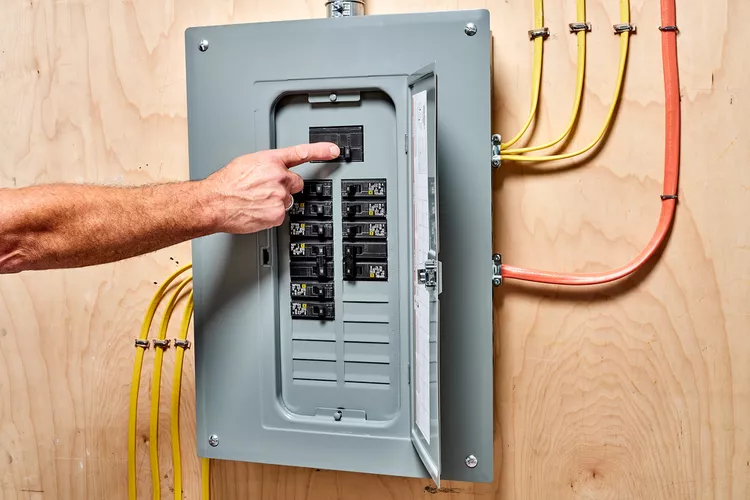
Frequent Breaker Trips: Your breaker is doing its job—protecting you from overload or short circuits. But if you’re resetting the same breaker weekly or daily, you have an underlying problem that needs diagnosis. Continuing to reset it without addressing the cause is like ignoring a check engine light while your car overheats.
Buzzing or Sizzling Sounds: Electricity flowing through proper connections is silent. Audible buzzing from outlets, switches, or panels indicates arcing—electricity jumping gaps it shouldn’t. Arcing generates temperatures exceeding 35,000°F at the arc point. That’s hot enough to ignite any nearby combustible material instantly.
Flickering Lights: If lights flicker when you run the microwave or start the dryer, your panel is struggling with the load. This indicates undersized circuits or a panel that needs upgrading. Modern homes typically require 200-amp service, but many older homes operate on 100-amp or less. Running 2025’s electrical demands on 1970’s infrastructure is a recipe for system failure.
Discolored Outlets or Switch Plates: Brown or black discoloration around outlets means heat damage has already occurred. The plastic has started melting or burning. The outlet itself has failed and needs immediate replacement, but the wiring behind it likely sustained damage too.
The Hidden Costs Beyond the Repair Bill
The direct repair costs tell only part of the story. Delayed emergency electric service creates cascading expenses most homeowners don’t anticipate:
Appliance Damage: Electrical problems causing voltage fluctuations destroy electronics. Your refrigerator, HVAC system, computer, television—all contain sensitive circuitry that fails when voltage drops or spikes. A $500 electrical repair that you delayed can destroy $5,000 worth of appliances before you address it.
Insurance Implications: Insurance companies investigate electrical fires thoroughly. If the adjuster determines you ignored obvious warning signs—documented smell complaints to family members, photos showing discolored outlets, text messages mentioning electrical issues—they may reduce your payout or deny the claim entirely under “failure to maintain” clauses.
Property Value Impact: Homes with documented electrical fires, even minor ones, carry that history permanently. When you sell, buyers will see the disclosure. Many will walk away. Those who don’t will negotiate aggressively on price. A $30,000 fire creates a six-figure dent in your home’s market value.
Business Interruption: For home-based businesses, electrical failures mean lost income. No power means no work. If you’re running a home office, workshop, or any business operation from your property, every hour without power costs you billable time and potentially clients.
Health and Safety: Electrical fires produce toxic smoke. Even small fires that extinguish quickly or get caught early release chemicals that permeate soft goods—furniture, carpets, clothing, bedding. Professional cleaning or replacement becomes necessary. Smoke inhalation risk persists for days in enclosed spaces.
Why Homeowners Delay (And Why Those Reasons Don’t Hold Up)
Understanding why people postpone emergency electric service reveals the gap between perception and reality:
“It’s not that bad yet.” Electrical problems don’t plateau. They deteriorate. That outlet that’s slightly warm today will be hot tomorrow and potentially on fire next week. There’s no such thing as a stable electrical problem—it either gets fixed or gets worse.
“I’ll wait until regular business hours to save money.” Emergency service fees typically add $50-$150 to the call. Compare that to thousands in fire damage. The premium for after-hours service is insurance against catastrophic loss. It’s the most cost-effective money you’ll spend.
“I can probably fix it myself.” Electrical work requires licensing for good reason. One wrong connection can electrocute you or create a fire hazard that won’t manifest until weeks later, when you’ve forgotten about your DIY repair. The $300 you save doing it yourself turns into $30,000 when your amateur work fails.
“My insurance will cover it anyway.” Insurance covers accidents, not negligence. If you knew about the problem and didn’t address it, that’s maintenance failure, not a covered peril. Plus, you still pay the deductible, lose irreplaceable items, and deal with months of disruption. Insurance isn’t a substitute for prevention.
“I don’t know who to call.” This paralysis costs dearly. Any licensed electrician offering emergency services beats waiting until your options narrow to “call 911.” Action Electric Service and similar established companies maintain 24/7 emergency lines specifically for these situations. The time to find a trusted electrician is before you need one desperately.
The Code Compliance Factor
Building codes exist because engineers studied electrical failures for a century and wrote rules to prevent them. When you delay electrical repairs, you’re not just risking fire—you’re operating a non-compliant system that violates current safety standards.
Older homes often contain aluminum wiring, ungrounded outlets, undersized panels, and outdated circuit protection. These were legal when installed but are now known fire hazards. When you finally call for emergency electric service, the electrician may identify code violations that require correction before they can make repairs.
This isn’t electricians padding the bill—it’s law. Once a professional identifies a code violation, they cannot legally restore power without correcting it. Your $300 outlet repair becomes a $1,500 panel upgrade because the inspector won’t sign off otherwise.
Addressing issues immediately, before they cascade into emergencies, gives you time to plan and budget for necessary upgrades. Emergency repairs under time pressure leave you no negotiating room.
What Emergency Electric Service Actually Involves
Understanding what happens when you call for emergency service removes some anxiety from the decision:
- Immediate Response: Licensed electricians arrive typically within 1-2 hours for genuine emergencies. They bring diagnostic equipment, common repair parts, and safety gear.
- Safety Assessment: First step is always ensuring immediate safety—no active fires, no exposed live wires, no imminent electrocution risk. If necessary, power gets shut off to affected areas.
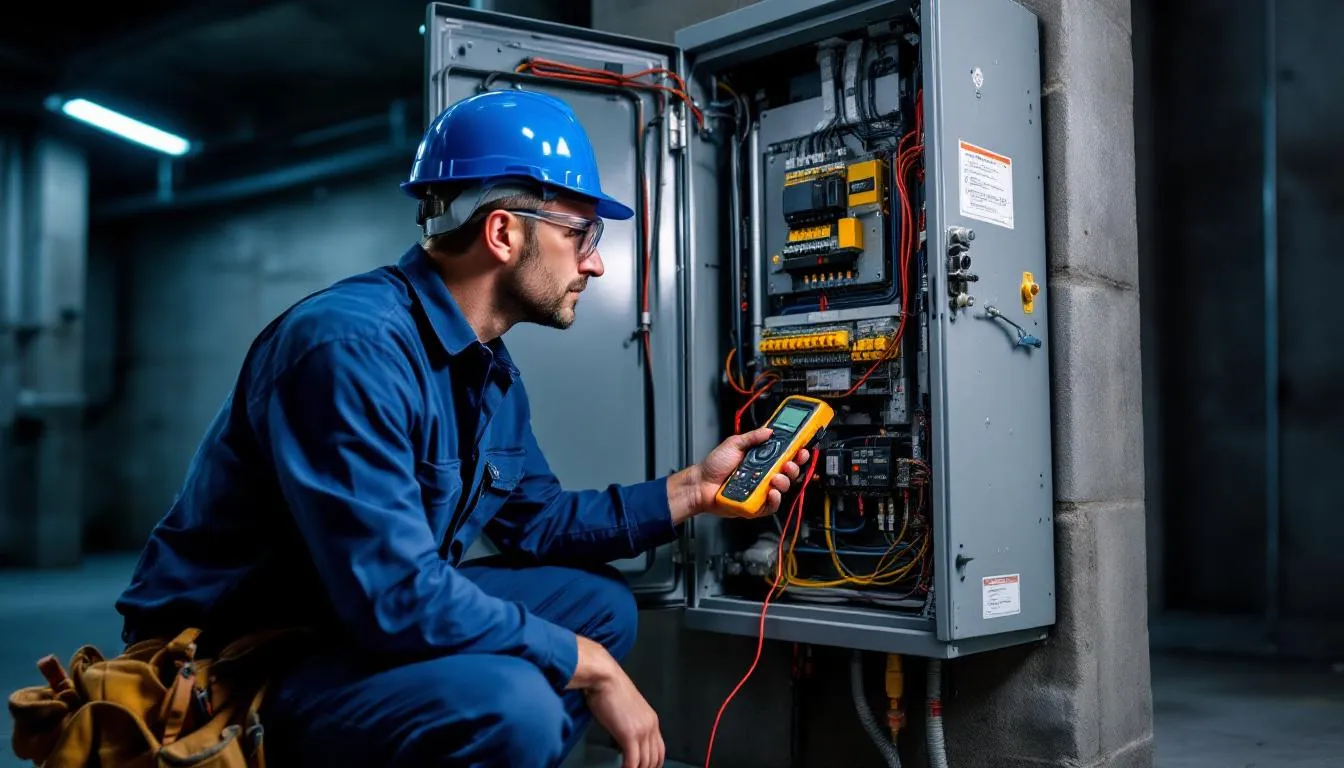
- Diagnosis: Using thermal imaging, multimeters, and circuit tracers, electricians locate the problem source. This often takes 15-30 minutes and reveals whether the issue is localized or systemic.
- Repair Options: You receive a clear explanation of what’s wrong, what needs fixing, and what it costs. Emergency repairs focus on safety first, with optional upgrades discussed for scheduling later.
- Code Compliance: Any work performed meets current electrical code, with permits pulled as required. This protects you legally and ensures the repair actually solves the problem.
- Documentation: Professional electricians provide written reports detailing the problem, the repair, and any additional issues identified. This documentation protects you with insurance and during home sales.
The entire process typically takes 1-4 hours for most residential emergencies. You get your power restored safely, legal compliance confirmed, and peace of mind that the problem is actually fixed—not just temporarily patched.
The 3 AM Test: Making the Right Call
Here’s the decision tree for whether to call for emergency electric service:
Call immediately if:
- You smell burning plastic, rubber, or electrical insulation
- An outlet, switch, or panel is hot to the touch
- You see smoke, sparks, or flames from any electrical component
- Someone receives an electrical shock from an outlet or appliance
- A breaker won’t reset or immediately trips when reset
- You hear sizzling, buzzing, or crackling from walls, outlets, or panels
- Lights dim significantly when appliances turn on
- Half your house loses power without a clear cause
Call first thing in the morning (but turn off power to affected area) if:
- A single outlet stopped working
- One light fixture isn’t functioning
- A GFCI outlet won’t reset but shows no other symptoms
- You need additional outlets installed
- You’re planning kitchen or bathroom remodeling
Schedule regular service if:
- You’re buying or selling a home and want an inspection
- Your panel is over 25 years old
- You’re adding major appliances or EV charging
- You notice slight flickering occasionally
- You want to upgrade to smart home systems
When in doubt, err toward caution. Electrical fires don’t announce themselves with a countdown timer. They happen when the combination of heat, damaged insulation, and combustible materials reaches critical mass. That could be in five minutes or five days, but you won’t know which until it’s too late.
The Action Electric Advantage: 70 Years of Emergency Response
Three generations of the Bishop family have built Action Electric Service’s reputation on one principle: electrical problems never happen at convenient times, so we don’t keep convenient hours. Our emergency electric service line operates 24/7 because your safety doesn’t clock out at 5 PM.
With over 70 years serving Loveland and Greater Cincinnati, we’ve responded to thousands of electrical emergencies. We’ve seen what happens when homeowners act immediately versus when they wait. The pattern never varies—prompt action prevents disasters.
Our BBB A+ rating reflects our commitment to honest diagnosis, fair pricing, and workmanship that lasts. When you call Action Electric, you get:
- Licensed electricians with an average of 15+ years experience
- Fully stocked trucks ready for most common emergency repairs
- Upfront pricing before work begins—no surprise bills
- Code-compliant repairs with proper permits and inspections
- Documentation for insurance and property records
- Follow-up consultation about preventing future issues
We don’t create problems that don’t exist, and we don’t perform unnecessary work. If your emergency can wait until morning, we’ll tell you. If it can’t, we’re already on our way.
Prevention: The Best Emergency Electric Service
The smartest approach to electrical emergencies is engineering your way out of having them. Annual electrical inspections cost $150-$300 and identify problems before they become emergencies. Consider it preventive maintenance, like changing your oil before your engine seizes.
Regular inspections catch:
- Deteriorating connections before they fail
- Overloaded circuits before they start fires
- Code violations before they cause insurance issues
- Panel capacity issues before you blow breakers
- Wire insulation damage before it exposes conductors
For homes over 25 years old, inspection becomes critical. Electrical components age, connections loosen, insulation brittles, and loads increase as you add electronics and appliances. The wiring that served a 1970s household adequately struggles with 2025’s demands.
Panel upgrades from 100-amp to 200-amp service typically cost $1,500-$4,000—expensive, but far less than fire damage. Adding AFCI (Arc Fault Circuit Interrupter) and GFCI (Ground Fault Circuit Interrupter) protection brings older homes up to modern safety standards for a few hundred dollars per circuit.
Think of it as buying insurance against needing emergency electric service. You’re paying for problems you’ll never have because you addressed them before they developed.
Electrical emergencies don’t announce themselves. They whisper through flickering lights, warm outlets, and tripping breakers. By the time they’re shouting through smoke and flames, it’s too late for prevention—you’re in damage control mode.
The cost of waiting isn’t just financial. It’s the irreplaceable family photos, the wedding albums, the kids’ artwork, the heirlooms from grandparents—all lost because you treated a $300 repair as something that could wait.
Action Electric Service has been protecting Cincinnati area homes for seven decades because we understand this simple truth: electrical problems don’t get better with age. They get worse, and they do it on their own schedule, not yours.
Explore our residential electrical services to learn how we can help protect your home and family, or call us directly at (513) 575-4900 for immediate emergency electric service. Your safety doesn’t have regular business hours, and neither do we.
8 Comments
Turn referrals into revenue—sign up for our affiliate program today!
Join our affiliate community and start earning instantly!
Start sharing our link and start earning today!
Автосервис Тойота в Москве предлагает широкий спектр услуг. В этом автосервисе вы найдете опытных техников, которые знают все о Тойота.
Если вам нужен качественный и надежный [url=https://servis-toyota-moskva.ru/remont-toyota-v-moskve/] автосервис Toyota в Москве[/url], мы предлагаем широкий спектр услуг для вашего автомобиля.
Ремонт и обслуживание Тойота требуют от специалистов глубоких знаний. Каждый механик проходит специальное обучение и сертификацию.
В нашем сервисе используются современные технологии и оборудование. Наличие современного оборудования существенно упрощает процесс диагностики.
Обращаясь в автосервис Тойота, вы можете рассчитывать на высокое качество услуг. Мы ценим каждого клиента и стремимся к его удовлетворенности.
Tap into a new revenue stream—become an affiliate partner!
Promote, refer, earn—join our affiliate program now!
Tap into unlimited earning potential—become our affiliate partner!
Partner with us for high-paying affiliate deals—join now!